

All possible problems with dental implants and their solutions
Having problems with dental implants is the biggest fear that patients face when deciding on this treatment. And it is normal that this is the case, since all surgical interventions, although they promise benefits, can also present some risks. However, for your peace of mind, we will tell you that problems with dental implants have a very low percentage rate, which is between 5 and 10% of cases.
This means that 90-95% of cases are successful. Some stats stretch it to over 96%, and others even 98-99%. Statistics can vary a bit from one study to another. But in any case, the success rates are extraordinarily high if we compare them with those of any other treatment. Dental implants are considered one of the most successful dental techniques that have ever existed. They are an example of the best use that can be given to technology. Currently, there are those who say that dental implants are the dental procedure par excellence when it comes to oral rehabilitation.
All this must be said before giving details about the problems with dental implants so that people do not make wrong decisions based on fear. However, it is important to understand what the most common problems with dental implants are, as well as to get to know the causes of these problems. That is why in today’s post we will give you all the information you need to know about problems with dental implants. At Miami Perfect Smile, we want you to be well aware of all the details so that you can always choose the most appropriate treatment for you.
Miami Perfect Smile: the best prices for dental implants in Miami
If you need dental implant treatment in Miami, you have just come to the right place. At Miami Perfect Smile we make everything you need available to ensure you and your smile look renewed, fresh and healthy. In our center, you can get dental veneer treatments, smile design, dental implants, and more. By following the link we just inserted, you can contact us or schedule your first appointment and find out everything you need. We’re here to serve you!
We use the best quality materials and state-of-the-art technology to give you an aesthetic and natural smile. Your well-being is our goal. In our facilities you will receive the careful and specialized treatment that you deserve. Review the opinions of our patients and check their satisfaction with our treatment. Having satisfied patients is our best letter of introduction.

We accept all types of insurance with which you are covered. And something very important: our prices is reasonable if you compare them with those of other states in the country. You can investigate, and you will see our excellent relationship between quality and price. It is worth noting that many people travel to Florida to undergo dental implant treatment in Miami. Despite the travel expenses, our prices are still more affordable than those in other states.
Now, let’s go on to expose everything you need to know about problems with dental implants.
A brief review of the technique of dental implants
Before moving on to the topic that concerns us in today’s article, we will give a brief explanation of what the dental implant technique consists of. This will allow us to better understand what the possible problems with dental implants are. The objective of the dental implant procedure is to replace the missing dental roots, and on these new roots, place the dental prostheses. For this reason, and given their effectiveness, dental implants are, today, one of the most used techniques in the field of oral rehabilitation.
What are dental implants?
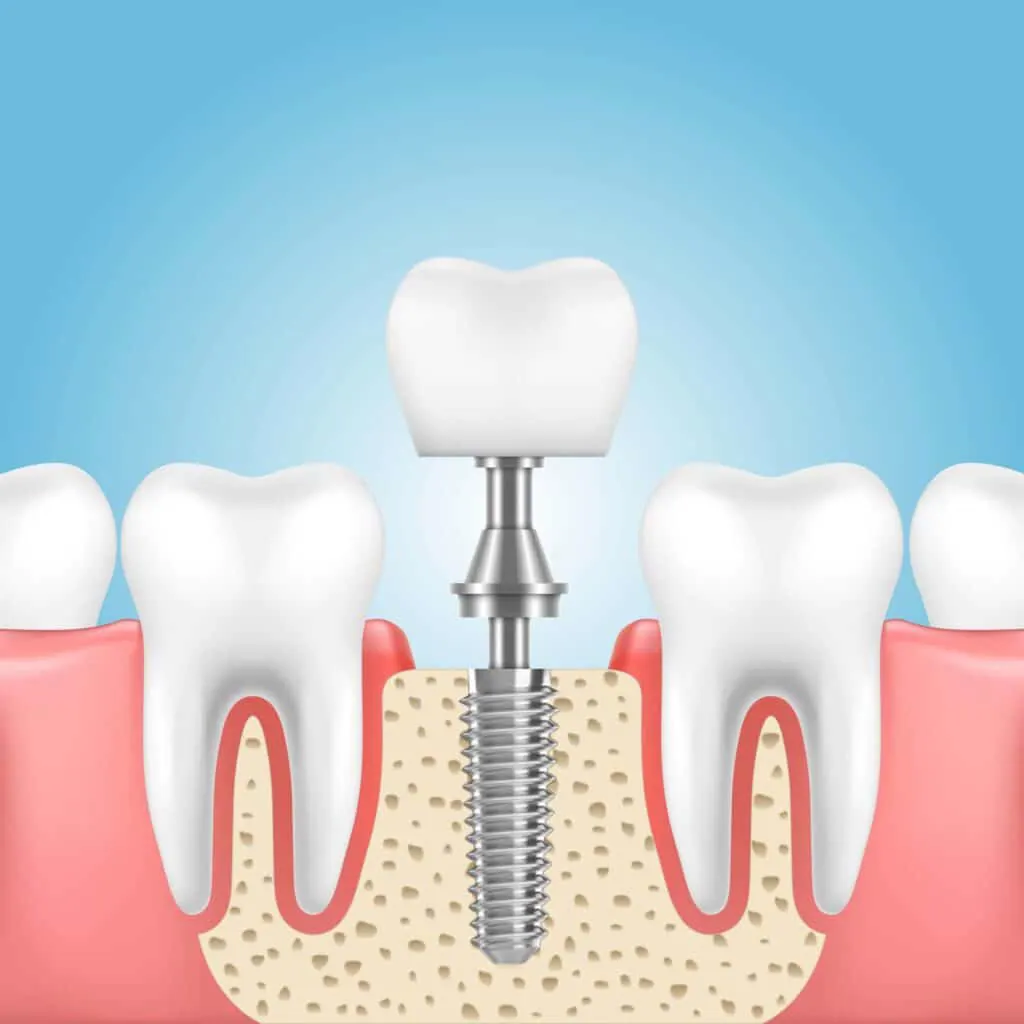
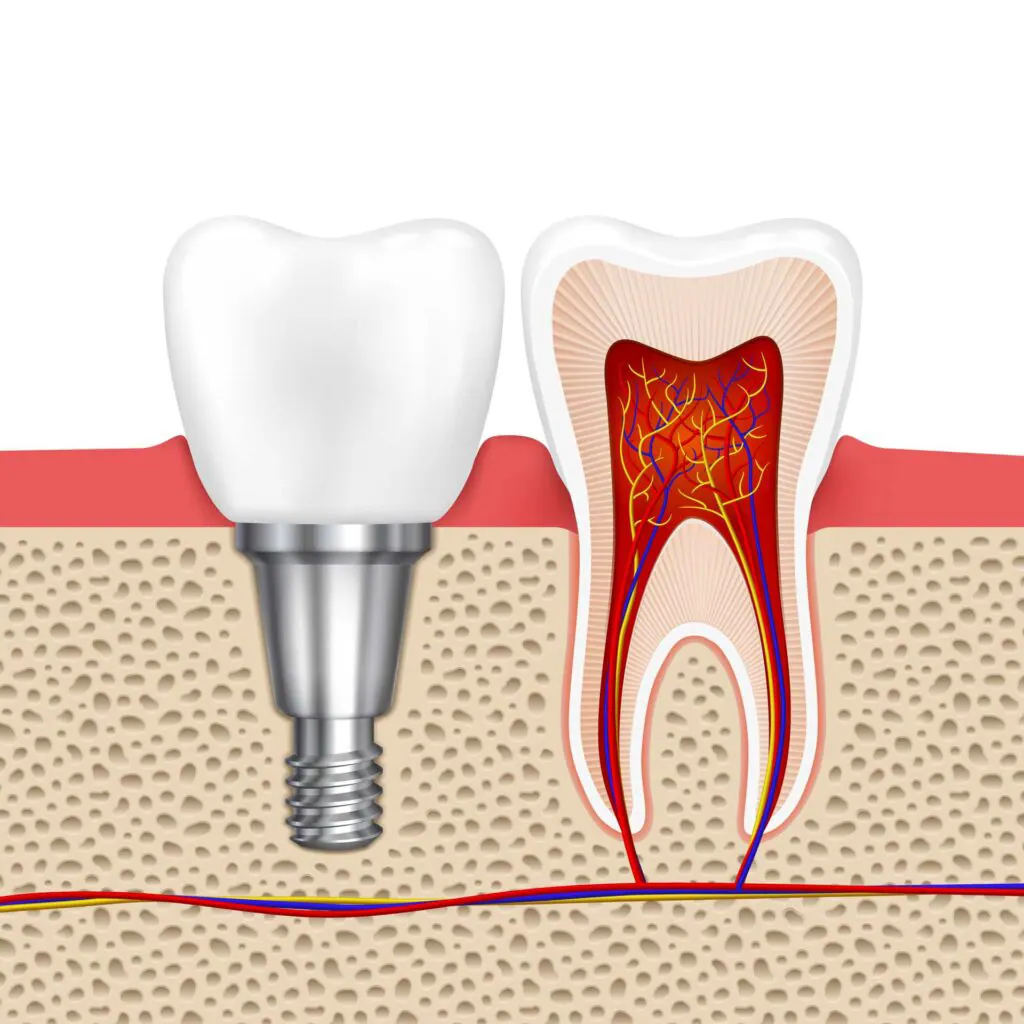
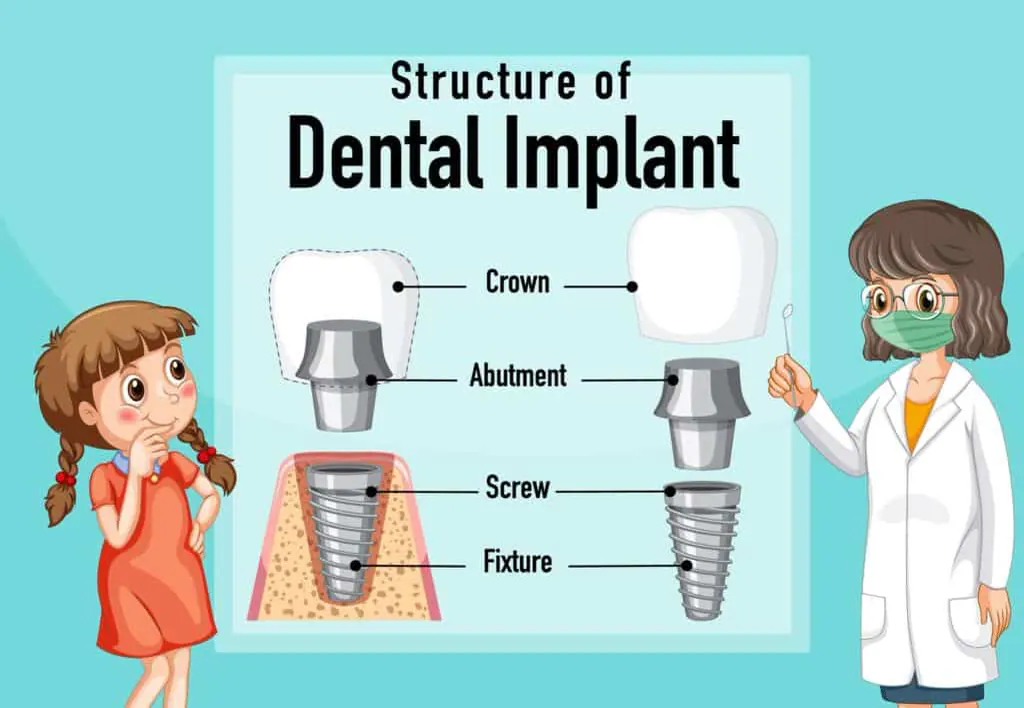
A dental implant is a device that is generally made of titanium, although they are also made of zirconium. The implants are installed inside the upper or lower jaw bones, right in the place that was occupied by the root of the missing tooth. The most widely used dental implants today are shaped like a pin or screw and are made up of an apical area, a body, and an abutment.
The apical zone is the narrowest and goes to the tip of the implant. This is the part that will be inserted into the innermost part of the maxillary bone (upper or lower, depending on where it is placed). The body of the implant is conical in shape and includes spiral grooves, like the screws, so that it achieves firmness and gives support to the implant within the bone. The size of the implant does not exceed the gum. Thanks to this, the implant is not noticeable from the outside once it is installed. The abutment will always go in the upper part, just above the gum. The prosthesis will be placed on the pillar (be it a dental crown, bridge or full-arch denture).
Causes of problems with dental implants
In this article, we refer to “problems with dental implants” to mean any type of unfavorable situation associated with the process of adaptation of the person to implants. From the moment of fitting, through the recovery phase, and even in the subsequent maintenance, patients can present any of the types of problems with dental implants that we will see below.
1) Problems with dental implants due to external causes
In this first type of problem, disorders with dental implants arise from causes external to the oral environment and the patient. This refers to, for example, when the implant fails due to some trauma or blow received that causes the implant to fracture. It can also happen that, during the installation, the implantologist makes a mistake when placing the implant inside the maxilla (which happens very rarely). Due to these errors, some damage to the nerves, blood vessels, other bones, or the implant may be misplaced.
2) Problems with dental implants due to internal causes
In this second case, the problems with dental implants are due to health situations that the patient may present, after the installation of the implants. This also includes health problems that were not detected in the study phase, as well as the appearance of infections in the scar or around the implant, maxillary bone problems, etc.
3) Problems with dental implants due to carelessness of the patient
Those who have dental implants, during the osseointegration process (incorporation of the implant to the bone) must take special care to achieve final success. This third type of problem with dental implants arises from the negligence of some patients, for not complying with the corresponding care in each phase. For example, not complying with care in the postoperative phase (both food and hygiene) can cause bleeding and pain problems, infections, etc. Eating hard foods, not maintaining good oral hygiene or not attending regular check-ups of the implants can cause them to not work. The same happens if you have bad habits that weaken the implants, such as smoking and alcohol consumption.
Adjacent medical situations that can cause problems with dental implants
Not all people are good candidates for dental implants, although the vast majority are. For dental implant surgery to be successful, patients must meet some minimum requirements. That is why the first step before proceeding to fit the implants is to carry out a thorough study of the health and oral conditions of the patient. Based on the results of the study, it is determined if the patient has met the required health conditions for the implant to integrate well with their maxillary bone. In many cases, specialists can first create the necessary conditions in the patient’s mouth for the subsequent installation of the implant. But this is not always possible.
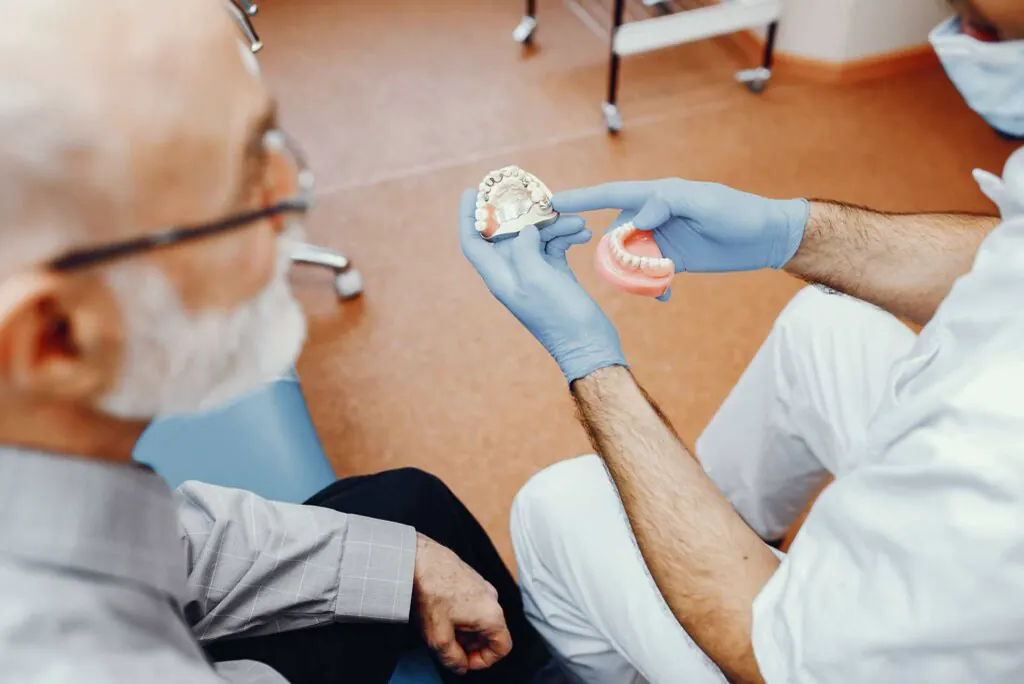
This information is also important for patients who already have dental implants and suffer from any of these diseases, or require treatments that involve the intake of medications that can cause problems with dental implants. In such cases, it is recommended to go to an appointment with the implantologist, so that he or she can explain the necessary measures to preserve the dental implants as best as possible. The minimum conditions to avoid problems with dental implants include:
- Not having diabetes: The person who opts for dental implant treatment must not have diabetes. People with diabetes may require more time to achieve osseointegration. Even when osseointegration is achieved, there is a risk that the implant will loosen over time.
- Having enough bone mass: When the patient does not have enough bone mass, has poor quality bone tissue, or has some type of bone damage, a good hold of the dental implant is not guaranteed. In many cases of this type, during the study prior to the installation of the implants, what is known as bone grafting is performed, with the aim of creating the necessary support conditions for the implants.
- Do not take medications: There are several medications that the patient who is going to have dental implants should not consume. For example, bisphosphonates , anticoagulants, antibiotics, and anti-inflammatories should not be consumed.
- Smoking and alcoholism: Both smoking and consuming alcoholic beverages affect the state and good health of dental implants. We include this point in this list because although many do not consider smoking and alcoholism to be diseases, others do. They are actually common habits in many patients.
- Not suffering from cardiovascular diseases: Patients who suffer from some type of cardiovascular disease require a special case study carried out by the implantologist and a cardiologist. After heart surgery or having suffered a heart attack, you must wait at least 6 months to perform dental implant surgery.
- Not suffering from osteoporosis: The bone deficiencies characteristic of osteoporosis affect the success of the placement of dental implants. Precisely because the implants are installed in the maxillary bones, it is not recommended to place implants in patients with osteoporosis.
- Radio and chemotherapy treatments: This type of treatment, which some cancer patients undergo, can prevent the installation of dental implants.
- Pregnancy: It is not recommended to perform dental implant installation surgery during pregnancy. Not because of the surgery itself, but because some of the medications that pregnant women sometimes take (for example, antibiotics, and anti-inflammatories) can interfere and impair osseointegration.
Any of the health conditions that we have mentioned above can threaten the success of dental implants. They can cause them to loosen or fall out, both in the case of people who already suffer from them and those who wear them and suffer from any of these health conditions.

Phases of the process in which problems with dental implants may appear
As we know, the process by which the dentist inserts implants to subsequently place the dental prosthesis on them is long and consists of different phases. Problems with dental implants can appear in any of the 3 phases after the previous studies and preparations of the process:
- Surgical or installation phase: This is the surgical procedure, in which the implantologist, together with the medical team, proceeds to place the implants inside the maxillary bone.
- Recovery phase: It is the phase that begins right after the operation. It is divided into two fundamental stages: healing and osseointegration. This phase in its entirety can take between 3 and 6 months. It culminates with the installation of the prosthesis, which can be a crown, bridge, or removable or fixed denture.
- Maintenance phase: It is an indeterminate period, which will last the entire useful life of the dental implant (it can last many years). During this phase, the patient will recover all the functions of the teeth. It is at this time that the long-term evolution of dental implants is defined.
Dental implants already have a history spanning several decades as a treatment. For any of the problems with dental implants that may arise, dentists and specialists in implantology already have a solution. We will also talk about some of the solutions to these problems since the objective of this post is not to instill fear in those who are about to decide to have dental implants, but rather to make the details known. Let’s go on to mention the possible problems with dental implants according to each phase of the process.
1) Problems in the surgical or installation phase of dental implants
This is the phase in which dental implant surgery is carried out by the implantologist and the medical staff. As we know, there are several types of dental implants. The type of dental implants used depends on the characteristics and needs of each patient. Patients arrive for surgery after the pertinent studies have been carried out and after the conditions of the bone and the root space that the implant body will occupy have been previously prepared.
During this phase, problems with dental implants are related to the unfolding of the surgery itself and the way the dentist places the implant. The most common problems with dental implants in this phase are the following.
a) Bleeding
It is the intense and frequent bleeding that usually occurs when the incisions are made further from the ridge. The blood gushes out and prevents the doctor from having good visibility to continue with the surgery. To avoid bleeding, the incisions should be made at the mucogingival line. Arterial hemorrhages can also occur that sprout from the beds where the hole for the implant opens, in this case the implant itself, when placed, will serve to contain the blood.

b) Vascular trauma
Vascular trauma can occur in jaw implant surgeries when the rotary instrument used to open the space within the bone pierces the lingual cortex. In these cases, the hemorrhage can appear at the same moment or after some time. If the latter occurs, a hematoma is created that will progressively fill with blood, until it occupies the lingual, sublingual, submandibular region, and even the floor of the mouth, which can cause suffocation. The solution for this type of event is to undertake surgery to release the blood and re-tie the bleeding vessels.
c) Poor orientation of the implant
This is one of the most common dental implant problems at the time of installing them. It occurs when the implant, by mistake, is slightly tilted or poorly oriented, that is, out of the proper place. In the event that the implantologist has doubts about whether the implant has not been positioned correctly, the solution is to take an X-ray, in which the location of the post can be clearly observed, and then correct it if necessary.
The post must not be close to the dental root of the teeth adjacent to the implant, and it must also not be crooked, and it must be separated from any anatomically compromised area or outside the cavity where it should be. When the implant is misoriented, a new location must be found, or the angle or orientation changed. Otherwise, it will compromise the future prosthesis and it will fail in the not too long term.
d) Errors in the incision of the dental implant
Thanks to current technology, a precise incision can be made in the bone, so as not to open it more than necessary. In fact, the drilling tools allow you to open just the right diameter to place the implant. However, this itself can generate some issues that cause problems with dental implants. One of these problems is that of affecting nearby areas and this is not noticeable to the naked eye, due to the small size of the incision. Thus, issues such as dehiscences (non-healing of the wound) and bone fenestrations (when the bone is perforated in an unforeseen place) can also go unnoticed. Among the incision errors we have the following:
- Perforation of the mandibular cortex: This occurs when drilling the mandible to place the implant. When the implant is tilted to obtain greater stability, the cortex can be perforated and this does not present any type of symptom at the moment. To avoid this, the implantologist must check the implant bed at each step with a blunt tip probe or with a depth gauge, while touching the vestibular and lingual area with the other hand to note if everything is going well and there are no perforations in the cortices.
- Penetration of the dental canal: This complication is not very frequent, thanks to the use of drills with stops. In addition, with radiography techniques, these types of events can be avoided almost 100%. Also, when working on mandibular free ends, it is recommended to make the incision 1 or 2 mm deep up to the dental canal.
- Penetration of the maxillary sinus: Sometimes the bur penetrates the maxillary sinus, which could lead to infections. But this type of situation is quite controllable as long as there are good aseptic conditions. If there is oral-sinusal communication, the implant itself will act as a plug, provided that a good hermetic suture is made.
- Nostril Penetration: This is another problem with dental implants, which is that the nostril is penetrated. It usually occurs when the bone height is not sufficient and the implantologist seeks good stability for the implant. It does not constitute a major complication, since it does not affect vital structures. It can bring about a lot of bleeding when the floor of the nostril is perforated since this is a highly vascularized area. However, by placing the implant, the bleeding will be neutralized.
e) Intraoperative pain
It occurs in very few cases. This is when the patient reports pain as the drill penetrates and reopens the space within the bone. This pain also usually appears when the implantologist is doing the last laps to finish screwing the implant and achieve the appropriate torque. The solution for these events is to infiltrate an anesthetic solution into the bed that is being carved, as well as in the area surrounding the implant.
f) Technical problems
During surgery, some technical problems may arise that cause situation such as the ones we will look at below:
- Lack of Primary Stability: Achieving the primary stability of the implant will be critical to success. In case of stability is not achieved, a larger diameter implant should be fitted. If stability is not achieved in this way, the implant should be placed elsewhere.
- Overheating of the bone: The revolutions of the bur must not exceed 1250 rpm, in order to avoid overheating of the bone. Drilling must be done maintaining good physiological saline irrigation. Necrosis of the bone, which can occur if the temperature exceeds 47 °C , must be avoided at all costs.
- Instrument fracture: To avoid the fracture of dentist’s instruments, it is recommended to use burs that are not worn or in poor condition. If the drill breaks in the middle of the perforation, the amount of remaining bone must be assessed, in order to know what is best: whether to leave the broken fragment inside or remove it. In case the fragment remains inside, it is normal that it does not behave like a foreign object.
- Implant contamination: Whether due to incorrect handling or poor packaging, the implant can become contaminated. When there is any doubt about the sterility of the implant, it is recommended not to use it, since if infected it will cause infection once fitted.
- Inhalation or swallowing of instruments: When an instrument fragment is inhaled by the patient, this constitutes a first-degree medical emergency situation. If it has been swallowed, you have to act as soon as possible.
2) Problems in the recovery phase of dental implants
The recovery phase begins right after the surgery in which the dental implants are installed. It is in this period that patients feel pain from newly installed dental implants. In addition, it is one of the most vulnerable phases of the process, since other types of problems can occur with dental implants, which we will see shortly. But first, this phase is divided into 2:
- Postoperative stage: These are the first 15 days after the operation, during which the healing of the wound occurs. At this stage, patients must take certain precautions to avoid possible problems of infection and bleeding with dental implants.
- Osseointegration stage: This is the longest stage within the recovery phase, and can take between 3 and 6 months. During this time, what is known as osseointegration occurs, a process by which the bone fuses with the implant. Here too the patient must take certain care, to avoid problems arising with dental implants. If everything goes well, after this period, the installation of the dental prosthesis will be carried out.
The most common problems in this phase are the ones we will see below.
a) Paresthesia
Paresthesia is a numbness that can be experienced in the lips or jaws. Paresthesias are related to the dental nerve, generally the inferior one. When the implants have been placed near the area where the dental nerve emerges, or in cases of free mandibular ends, paresthesias may occur. Trauma, compression, or stretching of the dental nerve are causes of paresthesia after dental implant surgery. Paresthesias can be reversible or irreversible. The reversible ones are those in which there was no nerve injury (even so, they take about 6 months to disappear). If nerve injury has occurred, such as the complete section of the nerve, the paresthesia will be irreversible.

b) Bleeding from the floor of the mouth
When perforation of the sublingual artery occurs during the placement of implants in the lower jaw, a large swelling is present the day after surgery. This internal bleeding causes difficulty swallowing and breathing. This is one of the most serious problems with dental implants that can occur, as it can lead to the suffocation of the patient. The good news is that it is a situation that occurs very rarely. Generally, this situation is solved with surgery to restore the connection of the vessels.
c) Swelling and bruising
Simple swelling and bruises are common after performing dental implant surgery. They can be considered minor complication, which mainly affects people with softer or more fragile skin. These symptoms are usually treated with anti-inflammatories and antibiotics, and disappear in the days after the operation.
d) Infections
Infections occur when there is bacterial colonization on the implant coils. This happens when the implant that was installed was contaminated, due to lack of care in handling or poor conservation. Infection at this stage may also be due to failure to create an aseptic surgical field. On the other hand, what may be occurring is retrograde peri-implantitis due to the proximity of the implant to an infectious focus. The solutions for these situations consist of performing endodontics in the infectious dental focus, and debridement and curing of the peri-implant lesion with bone filling.
e) Exposure of the implant head
It is considered that there is exposure of the implant head when it can be seen above the gum. This occurs in cases in which a hermetic suture has not been made, or when a pressure suture has been made. This type of problem with dental implants is solved by making small cuts at the level of the periosteum in the discharge of the incision. This will allow the flap to be lengthened to cover the entire wound. To avoid infections while the implant head is exposed, absolute hygiene is recommended.
f) Wound dehiscence
Dehiscence is the separation of the edges of the wound despite the fact that it has been sutured. It can occur due to the placement of a provisional prosthesis before the removal of the suture points. Dehiscences that do not expose the bone too much do not require any special treatment, just use chlorhexidine mouthwashes and wait a reasonable time for the wound to heal by secondary intention. On the other hand, if the dehiscence is wider, it will be necessary to refresh the edges of the wound and suture them again.
g) Keloid scarring
Keloid scarring occurs during the wound healing process, and manifests as an increase in substances known as ‘growth factors’. The body generates a formation of connective tissue that has the purpose of covering the wound, which will acquire a typical keloid appearance.
h) Sinusitis
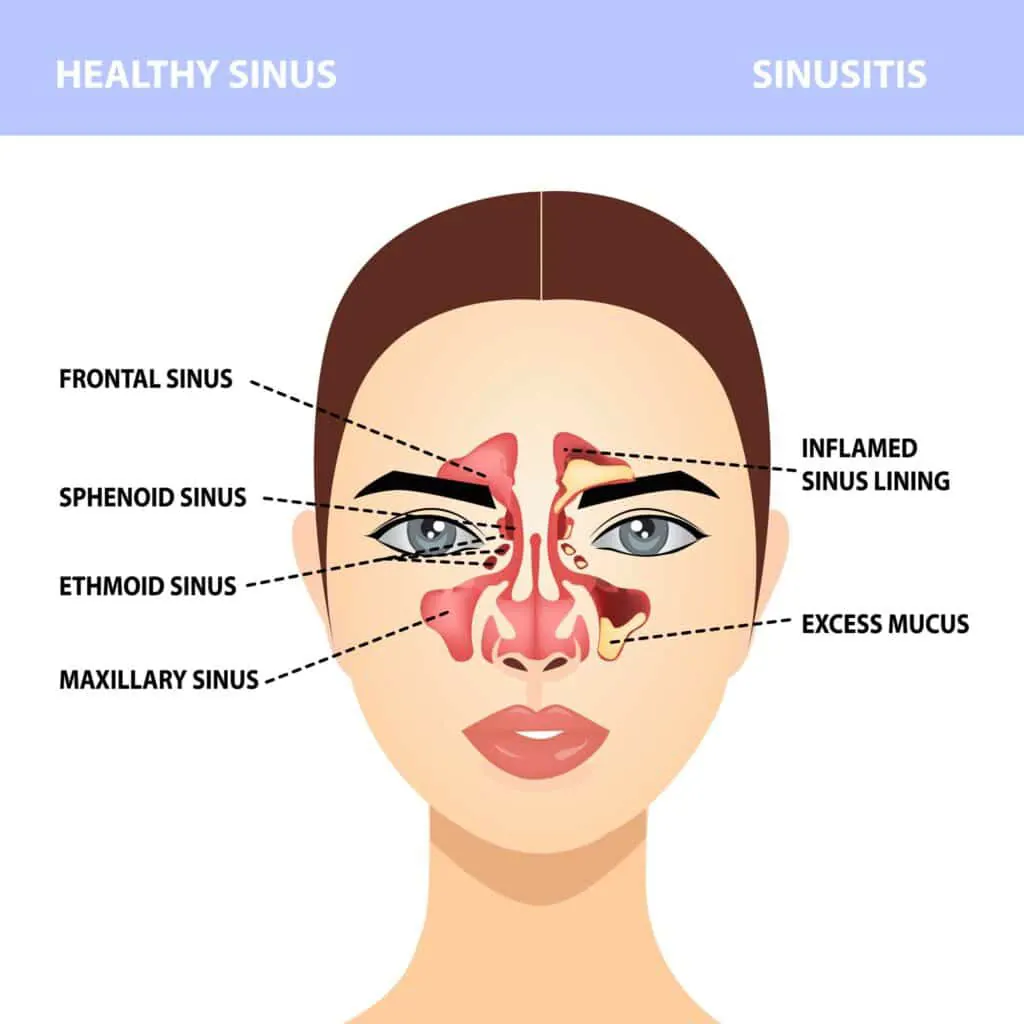
Sinusitis is a type of problem that can appear in the long term, after the installation of dental implants in the upper jaw. It usually occurs in patients with low bone mass, who have had to have grafts performed to achieve sinus lift. Sinusitis consists of an inflammation of the mucosa of the paranasal sinuses, of bacterial origin. Its treatment is usually long and laborious. It is usually treated with high-dose amoxicillin plans.
i) Infection and abscesses
This is a type of infection that can occur months after the implants have been installed. These disorders are becoming more frequent, due to the large number of implants that are fitted each year. The abscess appears without apparent cause, although in truth it arises as a result of overheating of latent and untreated infectious foci, due to the remanence of endodontic filling material, or due to implant overload, etc. They manifest with a fistula adjacent to the implant.
j) Failure of dental implant osseointegration
When the dental implant has not been anchored with sufficient force to the maxillary bone, we are facing the failure of osseointegration. This failure can occur at the end of the recovery phase, or at the beginning of the maintenance phase when the prosthesis has already been installed. If it is determined that the implant is not strong when the post is to be installed, the solution will be to remove it to put another implant in the same place, or to find another place to place a new implant. But if the prosthesis is installed and the implant later loosens, the prosthesis will have to be removed to move the implant, which will then require a new prosthesis to be made.
3) Problems in the maintenance phase of dental implants
The maintenance stage covers the care after the osseointegration of the implants. At this time is when the prosthesis is installed to replace the missing teeth. The patient will begin to use the implants and the prosthesis in a normal way. In this way, you will be able to perfectly perform all the chewing and phonatory functions of the teeth, in addition to recovering the aesthetic function. Now the osseointegrated implant will have enough strength to withstand the pressure of the chewing process, fulfilling the same role that the tooth root had before.
Although during the maintenance stage the patient can lead a normal life with respect to the use of his mouth, he must continue to take some care. This care will be the guarantee to give the implants a long life and to avoid problems with dental implants. So, if certain precautions are not taken during the maintenance stage, the patient may present some type of problem, which can ruin the implants. In contrast, a well-cared-for dental implant can last a lifetime. Let’s look at the most common problems with dental implants in this last phase.
a) Avulsion of the implant within the maxillary sinuses
When the maxillary bone is very spongy (or type D4), it has a soft consistency like Styrofoam. On the other hand, they are bones that have low bone height at the time of placing and rotating the implant. In these cases, it may be that the implant is introduced into the maxillary sinus little by little due to the pressure of use. Many patients do not have symptoms in the early stages, but the image of the implant inside the sinus appears on the X-rays. The solution in these cases is to remove the implant to prevent it from obstructing the sinus. The process is performed through an endonasal endoscopy .
b) Bone loss around the implant
Crestal bone loss from the gums is one of the problems with dental implants that leads to failure. This usually occurs when patients have narrow ridges and at least 1mm of bone has not been left around the implant. This is why, in cases like this, when the implant is installed, bone filling is usually performed in the area around the implant. Loss of bone surrounding the implant may also be due to exposure of the head or compression of the affected area by the prosthesis.
c) Jaw fracture
Mandibular fracture is a consequence of bone loss around the implant. It also appears in patients who underwent lateralization of the inferior alveolar nerve, or in those who have a complication of implant osteomyelitis. These types of fractures usually occur in atrophic mandibles. These fractures are not very common. The solution to avoid this type of problem is for the patient to have X-rays performed frequently, so that the dentist can assess the volume of bone loss, and can anticipate and avoid a possible mandibular fracture.

d) Fracture of dental implants
There are some reasons why the dental implant can fracture. The main cause of this type of fracture is the loss of bone around the implant. Another cause is usually the overload of the prosthesis on the implant. When the relationship between implant and prosthesis is not well proportioned, the loads and pressures will not fall on the axial axis of the implant, and it may end up fracturing.
Another cause is the presence of pores in the metal of the implant, but these cases are much rarer, thanks to the high density of the materials used (almost always titanium and zirconia). The solution for this type of problem with dental implants is to try to remove the rest of the implant from within the bone, always assessing the case so as not to cause damage to the remaining bone.
e) Fracture of the prosthesis and screws
Another problem with dental implants in this third stage may be the fracture of the prosthesis and its fixing screws. These types of fractures are due to so-called biomechanical stress or metal fatigue. To avoid this type of complication, it is recommended that the prosthesis fixation screws be changed during the annual revision of the implants. Another detail to take into account is to introduce methods in the maintenance plan to reduce the biomechanical stress on the implant and thus minimize the effects that this may have in the long term.
A fracture of the metal bars that make up the prosthesis may also occur, although this is less frequent, due to its characteristic robustness. This type of fracture can be avoided by making a good occlusal adjustment, that is, the upper arch fits well with the lower arch. In this way, pressure overloads on the prosthesis are avoided, which are what generally cause fractures.
f) Aesthetic problems with dental implants
Although the technique of dental implants is one of the highest aesthetic levels, some of the problems that may arise are related to aesthetic problems. Problems with dental implants, from an aesthetic point of view, are the ones that most discourage patients because it is one of the most valued areas. For this reason, implantologists begin by making a detailed plan of how the prosthetic part is going to work, and then they consider how to place the implants. It is the way to ensure that the aesthetic level works very well.
g) Tissue problems and peri-implantitis
Tissue problems and peri-implantitis is inflammation that can arise, both in the hard and soft tissues, in the area where the implant is integrated. These tissues function in a very similar way to periodontal tissues.
Peri-Implant Diseases
The first condition is known as peri-implant disease. The soft tissue that surrounds the implants is known as the peri-implant mucosa. This tissue forms a structure around the implant, which is called the peri-implant sulcus and is similar to the gingival sulcus. There are two types of clinical pictures for this problem with dental implants:
- Peri-implant mucositis: It is a reversible form of infection of the soft tissues that surround the dental implant. It consists of inflammation of the soft tissues, and it is curable. It does not affect the useful life of the implant, as long as it is treated on time.
- Peri-implant Osteitis: It is better known as peri-implantitis. It is an irreversible form of inflammatory condition that encompasses the soft and hard tissues surrounding dental implants. It can lead to natural bone loss around the implant, thus causing implant failure. In these cases, urgent treatment is required.
Rigid or tissue peri-implant mucosa
When there are problems in the rigid peri-implant mucosa, the clinical situation is much more favorable to preserve the functionality of dental implants. In these cases, the treatment will consist of removing the plaque and achieving adhesion of the peri-implant epithelium, since there is no inflammation. If there is enough keratinized attached gingiva, the prognosis of the implant improves considerably.
Frequently asked questions about problems with dental implants

As we stated above, problems with dental implants can occur in any of the three phases of the process: installation, recovery, or maintenance. With the aim of not detracting from the hopes of those who are considering having dental implants, we want to clarify that dental implants have a very high success rate, thanks to the effectiveness of the procedure itself, the quality of the materials, and the meticulous study prior to each patient’s treatment. This means that problems with dental implants are quite rare.
Most people who have dental implants have short-term and long-term success in their treatment. It is something that can be verified in the immense number of studies and scientific research on dental implants that are carried out every year. In a study carried out in 2021 by specialist implantologists from the Faculty of Dentistry of the University of Seville with the aim of determining the long-term efficacy of dental implants, it was concluded that:
“After a clinical follow-up of 92.2 months (more than 7 years), the results indicate an implant success rate of 96.2% (…)”.
This shows that the effectiveness of the dental implant technique is very high. In fact, a dental implant does not have an expiration date, so if taken care of properly and without any complications, the implant can last a lifetime. However, there are some risks and many doubts on behalf of patients. Therefore, we will now specifically answer frequently asked questions about problems with dental implants.
Dental implant and sinus problems
As we mentioned before, when the maxilla is soft or has a little area, the implants can perforate the paranasal sinuses. This only happens with implants that are installed in the upper jaw, so it is not a risk for those who are going to have implants placed in the lower jaw.
The maxillary bone is just below the sinuses. This is why when the implants are installed, it may be that their tip or apical area penetrates the sinuses, which would lead to problems such as:
- Infections, can be created when the oral area comes into contact with the nasal area.
- Sinus problems.
- Persistence of an oronasal fistula.
As we discussed above, an enormous amount of scientific research is done on dental implants each year , both successful and unsuccessful. The scientific rigor of the studies allows the procedure to be transparent for anyone, specialist or not, who wants to learn about the subject. The unsuccessful case studies serve the important goal of further improving the procedure. This is the case with a scientific study entitled Displacement of a dental implant within the maxillary sinus during the second surgical phase , in which you can read about cases of patients in which the implants penetrated to the nasal sinuses, and what actions the staff carried out to remedy the situation.
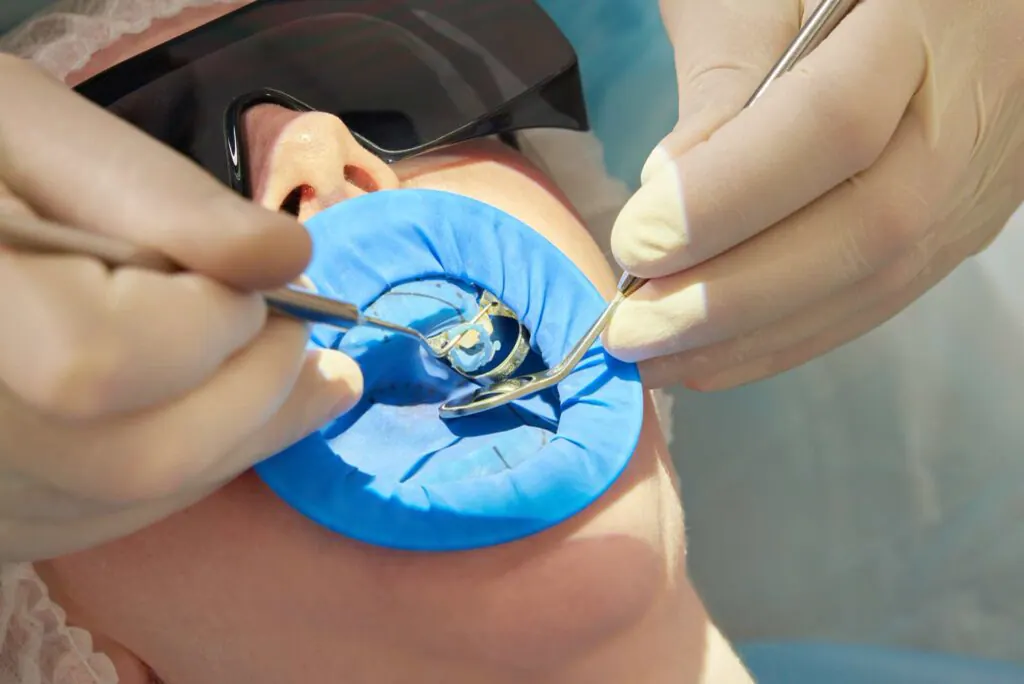
Possible solutions in these cases are based on achieving sinus repair. This is of the utmost importance to avoid future problems. Various techniques are often used for repair, such as:
- Resorbable collagen membranes that can be fixed with the use of tacks or sutures.
- Gauze ball flap.
- Absorbable sutures.
- Frozen denatured human lamellar bone, or adhesive fibrin.
- Cyanoacrylates.
What are the problems with All On 4 dental implants?
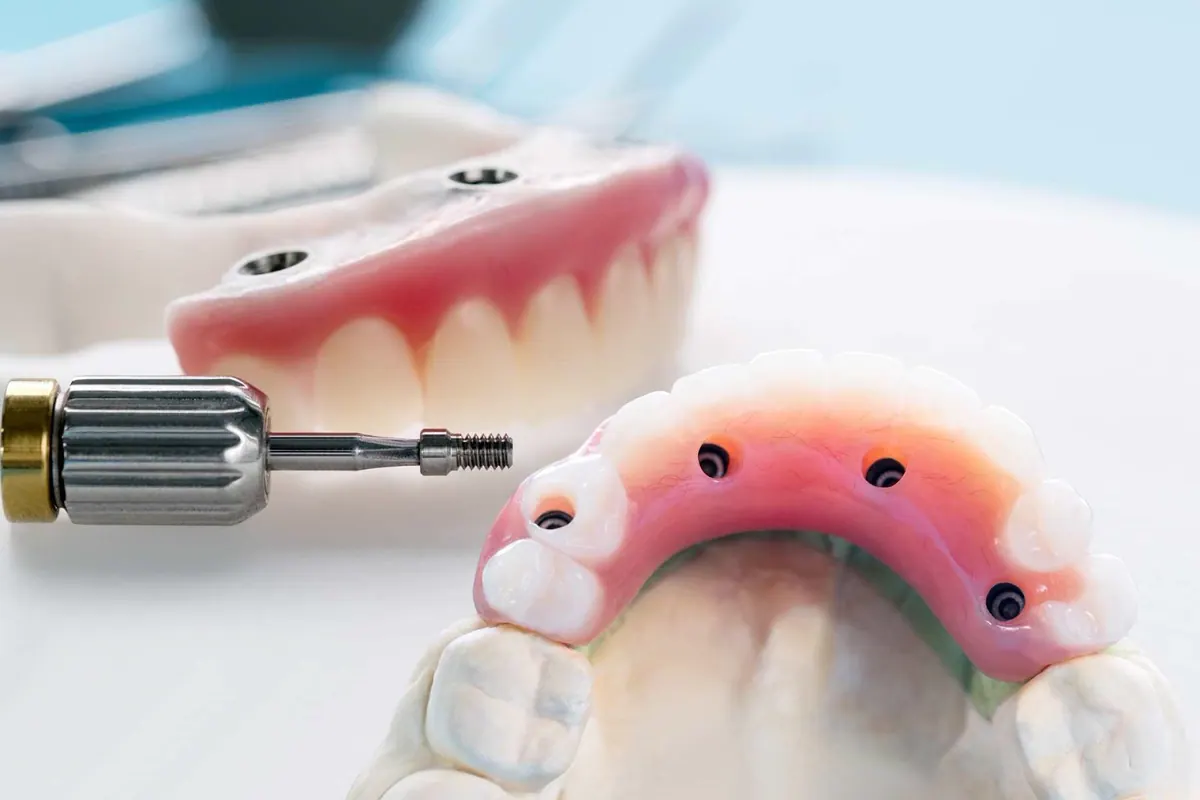
The All On 4 technique is one of the most popular since it allows the prosthesis to be installed in the upper or lower dental arch using only 4 implants as support. The All On 4 method has achieved great long-term success. In addition, it is very popular, because by only using 4 implants as support, the treatment is quite cheap. However, some patients wonder what problems or complications this technique can bring. The problems of All On 4 dental implants can be the following:
1) All On 4 implants fail
The failure of any of the four All On 4 implants means a lot. First, it involves the replacement of the lost implant, since the full arch prosthesis needs to have at least 4 supports to work well. In order not to have to replace the other 3 implants, the new implant needs to be placed in the same direction and angle as the one to be replaced. The structure formed by the four implants is very precise, and any change in the shape and arrangement of the implants will invalidate the use of the current prosthesis. This causes a greater expense and several appointments with the dentist, who will have to fabricate a new arch that matches the new implant structure.
2) Full-arch bridge fracture
All On 4 dental implant problems occur very rarely. The arches used for this procedure are usually made of titanium or zirconia, so they are very strong and do not break easily. These materials are not unbreakable, but they come pretty close when it comes to the context of the mouth. There are two types of full-arch bridges for All On 4 implants, and both have different complications:
- Problems with the hybrid denture: The well-known hybrid denture consists of a titanium base with acrylic teeth and gum on top of the titanium substructure. These types of dentures are screwed onto the implants permanently. It is usually a very stable design, but on rare occasions, the teeth separate from the titanium frame. In this case, the complete bridge will be removed to send it to the laboratory for repair. Although repairs to this type of denture are relatively inexpensive, they can take several days. The only discomfort is that the patient will be without teeth for a while until the bridge is ready.
- Problems with solid zirconia bridges: This is the most recent type of All On 4 denture, despite this, it is widely used today. Both the structure and the teeth that make up the bridge are made in a single piece, which is made of zirconia material. The design is done digitally and then printed on a 3D printer. It offers very solid and resistant workmanship. These types of bridges, although they are much more expensive, do not usually break.
Problems with zirconia dental implants
Zirconia (= zirconia or zirconia) dental implants are much less widely used than titanium ones. They are only used in cases of patients who may have some type of allergic reaction to titanium implants. Zirconium implants came to replace the old ceramic implants, which were not very effective. Zirconia implants are made without the use of metals, precisely to avoid allergies. Zirconia is a resistant ceramic material that has a whitish color very similar to that of natural teeth, so it has a high aesthetic level.
The main problems with zirconium implants are the following:
- Implant fracture: When the overload on the zirconium implant is very high, it can fracture. As they do not have metal in their composition, they are usually a little more fragile than titanium implants.
- They require good space to be installed: If the bone space is very narrow, a zirconium implant cannot be placed. The minimum to install this type of implant is 3.5 mm since there are no smaller zirconia implants that can be used in sizes smaller than this.
- High price: A great disadvantage for many patients when deciding on this type of implant is its high cost. Both zirconium implants and the prosthesis that is placed on top of them are much more expensive than the titanium variants.
- There are no long-term success studies: Zirconium implants are much newer than titanium implants, which already have several decades of experience and research. There are no results yet from studies showing that the success of zirconia implants exceeds 10 years of use. Of course, this does not mean that these implants cannot offer great performance in the long term. But not enough time has passed since their creation to prove it.
- Little versatility: The design of zirconium implants is a single piece, in which the body of the implant is joined with the abutment or post. This makes them less versatile during the positioning phase than titanium implants, whose design maintains the implant and abutment as two separate pieces.
Can dental implants cause neurological problems?
Although it is very rare, the installation of dental implants can sometimes cause some neurological problems. Neurological problems are understood as temporary or definitive alterations that can occur due to direct or indirect causes on the nerves. In the case of dental implants, depending on the area in which they are going to be fitted, nerves can be compromised: lingual, lower dental, or mental. Any affectation that occurs during the placement of the dental implant in these nerves will cause a sensory disturbance that can be seen reflected in the lip, chin, or tongue. The main neurological problems are:
- Hypoesthesia or anesthesia: Hypoesthesia is the partial loss of sensitivity, while anesthesia is the total loss of sensitivity. Both cases are degrees of loss of sensitivity due to the damage caused to the nerve. Depending on where the damage has been done, patients may experience numbness of the face, tongue, lips, etc.
- Paresthesias: Paresthesias can be painful or painless. They manifest as a sensation of tingling, itching or numbness. The most common type of paresthesia due to nerve damage after the placement of dental implants is dysesthesia. Dysesthesia is the condition of touch in the affected area and can cause any stimulus to be painful and unpleasant. It can also manifest as insensitivity to stimuli.
Neurological problems caused by dental implants are mostly preventable with good preoperative planning, and that is what is done. Most of these problems are caused by the intrusion of the drill or implant into the nerve canal, so it is important to be aware of the position of the nerves on radiographs. In case of damage, achieving a good diagnosis and treatment will be essential to avoid prolonged sensorineural pathology.
Dental implant problems: symptoms
It is important to discuss any symptoms that patients begin to feel when there are problems with dental implants. A symptom is a warning from the body that something is wrong. For this reason, before any of the following symptoms, we recommend going to an appointment with the implantologist or dentist, so that he, as a specialist, can quickly resolve any situation. Symptoms may be:
- Soft fibrous knitting around the implant: A hard white tissue is observed between the implant and the bone. This tissue must be removed, as it will continue to grow until it encompasses the entire implant abutment and will cause the prosthesis to fall off. In these cases, the dentist must remove the implant from its place and clean the entire area. After a while, a new implant will be fitted.
- Prosthesis mobility: If the prosthesis begins to move out of place and does not feel solid, it means that something may be wrong with the implants.
- Discomfort or pain when pressing the implants: When they are already integrated into the bone, dental implants do not hurt. If they cause discomfort or pain during normal daily use, these are symptoms of a possible infection or some type of bone damage or nerve perforation.
- Inflammation in the gums: Inflammation in the gum area surrounding the implant is a sign of infection. This may be the first symptom of peri-implantitis. In these cases, it is recommended that you visit the dentist immediately.

Speech problems after dental implants
When dentures are installed over dental implants, some speech problems may arise. This is something completely normal if we take into account that patients are adapting to a new set of teeth. For some time, until the mobile structures of phonation, which are the tongue and lips, adapt to the new teeth, there may be some difficulty in speech. But this is something that will be overcome in practice, faster than we imagine. The tips that we give you below will be the solution to this problem:
- Pronunciation exercises: Phonemes are the sounds that are emitted with the structures that make up the phonatory apparatus. Each letter of the alphabet, both vowels, and consonants is recognized in the speech process by its sound. The phonemes that are most difficult to pronounce when a new prosthesis is installed are those of S and F because they are closely related to teeth. The S is a linguoalveolar phoneme (pronounced with the tip of the tongue on the alveolus) and sibilant (whistling). The F is a labiodental phoneme because its sound requires placing the lower lip next to the upper teeth. Both are constrictive fricative consonants, that is, the phoneme is produced by a partial obstruction of the organs for the air outlet. It is at this point that the difficulty occurs when wearing a new dental prosthesis. What we recommend in this case is to do word pronunciation exercises with these consonants. At home, calm and preferably alone, we must repeat the words several times, lengthening the pronunciation to become aware of how the vocal organs move.
- Read aloud: Reading aloud is a step to disinhibit yourself when conversing with others fluently. Reading a book, newspaper or magazine aloud will force you to pronounce the words in a row just like when you talk. In this way, little by little the confidence to speak with the dental prosthesis is recovered, in addition to the training that the vocal apparatus will acquire with the new denture. Watching yourself speak in the mirror during this practice will gain more confidence because the patient will be able to notice that they do not look any different than when their natural teeth were there.
- Talking with family and friends: Talking with our close ones is the best way to recover normal speech. When speaking, our interlocutor will be able to observe, perhaps better than us, with what type of words there are more pronunciation difficulties. This can offer guidance on which words should be practiced more in the pronunciation exercises. On the other hand, talking to another person will be a fundamental step in learning to feel the prosthesis as something natural.
Your new smile starts with one visit.
Tell us what you would like to change and one of our doctors replies within 24 hours on working days.
- Phone
- 786 981 0655
- Emergencies
- 305 204 9231
- Hours
- Monday–Friday, 9 AM–6 PM. Saturday and Sunday closed.
Online consultation
Send us photos of your smile
Fill out the online consultation form, attach your photos and one of our doctors replies within 24 hours on working days.
Start your online consultation